















What's The Difference Between Perimenopause and Menopause?
Understanding the difference between perimenopause and menopause can help you recognize what's happening in your body, have more informed conversations with your healthcare provider, and find the right support for your stage of life.
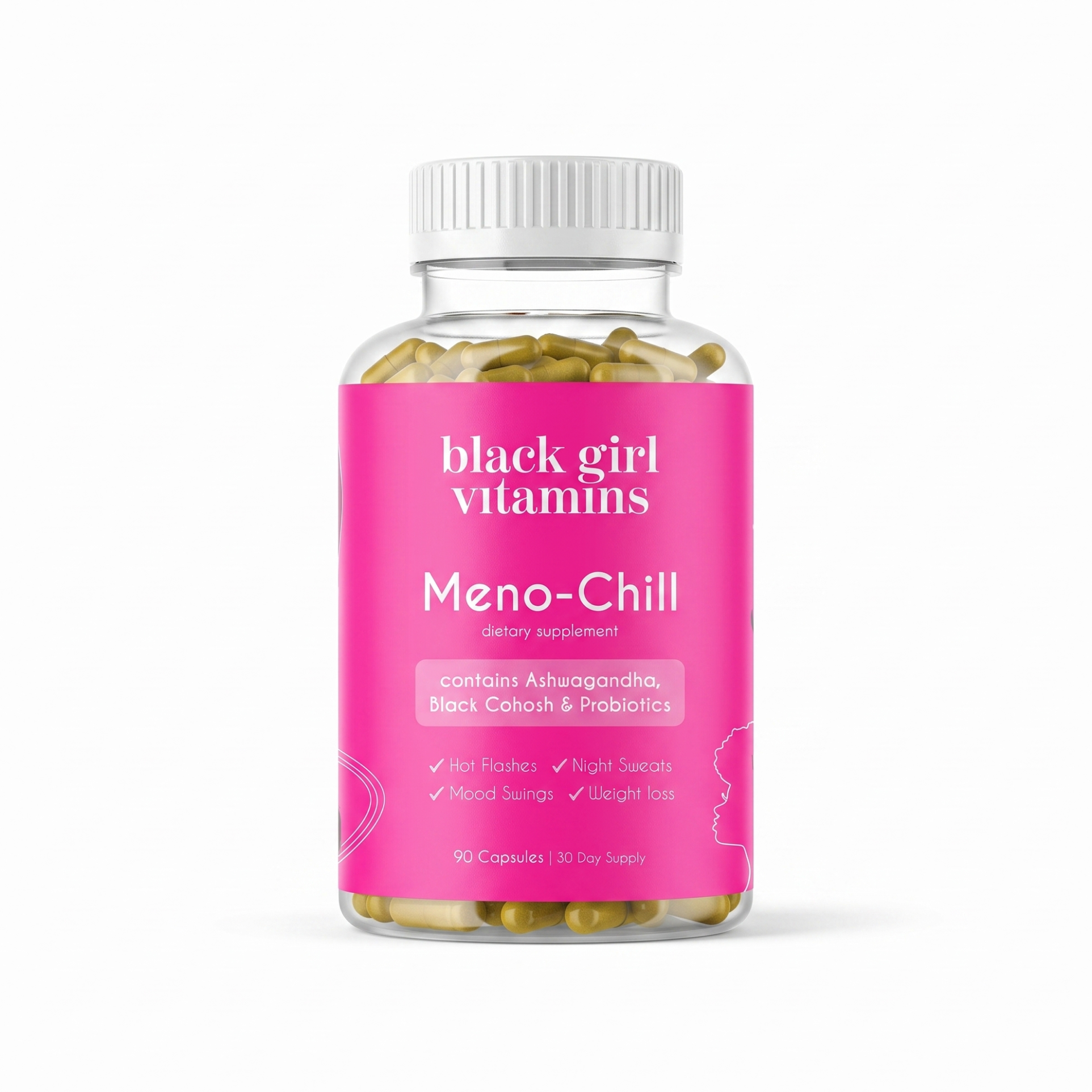
Whether you need Meno-Chill or Peri Meno-Chill, we've got you covered. But let's dive into those differences!
What Is Perimenopause?
Perimenopause is the transition leading up to menopause. During this stage, the ovaries gradually begin producing less estrogen, causing hormone levels to fluctuate.
Unlike menopause, you still have menstrual periods during perimenopause, although they may become irregular, lighter, heavier, or less predictable than before.
Perimenopause often begins during a woman's 40s, but some women notice symptoms as early as their mid-30s. This stage can last anywhere from a few years to over a decade before menopause officially begins.
Common Symptoms of Perimenopause
Because hormone levels fluctuate from month to month, symptoms can vary in both timing and intensity.
Some of the most common symptoms include:
- Irregular menstrual cycles
- Hot flashes
- Night sweats
- Difficulty falling or staying asleep
- Mood swings or increased irritability
- Fatigue
- Brain fog
- Lower libido
Many women dismiss these changes as stress or simply "getting older," without realizing they're experiencing a normal hormonal transition.
What Is Menopause?
Menopause is reached when you've gone 12 consecutive months without a menstrual period.
At this stage, the ovaries produce significantly less estrogen, ovulation has ended, and pregnancy is no longer possible without medical intervention.
Although menopause marks the end of your reproductive years, symptoms like hot flashes, sleep disturbances, and mood changes may continue for several years afterward.
Perimenopause vs. Menopause: Key Differences
| Perimenopause | Menopause |
|---|---|
| You are still having periods (though they may be irregular). | You have gone 12 consecutive months without a period. |
| Hormone levels fluctuate. | Estrogen levels remain consistently lower. |
| Ovulation becomes less predictable. | Ovulation has stopped. |
| This is the transition into menopause. | This is the stage after the transition is complete. |
Why So Many Women Confuse the Two
One of the biggest misconceptions is that symptoms don't begin until menopause.
In reality, many women experience hot flashes, mood changes, sleep disruption, and changes in their menstrual cycle years before menopause officially starts.
At Black Girl Vitamins, we heard this question from our community again and again:
"I'm having hot flashes, but I'm still getting my period. Is Meno-Chill right for me?"
The answer highlighted an important gap in women's health education. Many women recognized their symptoms but didn't realize they were experiencing perimenopause, not menopause.
We heard you.
That's why we created Peri Meno-Chill! A formula designed specifically for women navigating this earlier stage of hormonal change. It provides daily support for some of the most common concerns associated with perimenopause, including hot flashes, deep sleep, mood stability, and cycle support.

Every Stage Deserves Support
Whether you're beginning to notice irregular cycles or you've already reached menopause, understanding where you are in your hormonal journey is the first step toward feeling your best.
Perimenopause and menopause are natural parts of aging, but that doesn't mean you have to navigate them without information or support.
The more we talk openly about these transitions, the more women can recognize their symptoms earlier, advocate for their health, and feel empowered throughout every stage of midlife.