














What You Should Know About Seasonal Depression and Vitamin D

As the days get shorter and temperatures start to drop, you might notice a shift in more than just the weather. Maybe you're feeling more tired than usual, having trouble getting out of bed, or finding it harder to stay motivated. For some women, these changes are part of what’s commonly called the winter blues. For others, they may be signs of something more.
Seasonal affective disorder (SAD), often referred to as seasonal depression, is a type of depression that follows a recurring seasonal pattern. It most commonly begins in late fall or early winter and improves during the spring and summer.
While there are several factors that can influence your mood during the colder months, one nutrient worth paying attention to is vitamin D.
Let's explore the connection between vitamin D and seasonal mood changes, why Black women may be more likely to experience low vitamin D levels, and what you should know about adding D3 to your routine.
What Is Seasonal Affective Disorder?
Seasonal affective disorder is a form of depression that occurs during specific seasons, most often fall and winter. It's more than simply feeling a little down when the weather gets colder.
Some common symptoms include:
-
Persistent sadness or low mood
-
Losing interest in activities you usually enjoy
-
Feeling tired or having less energy
-
Sleeping more than usual
-
Changes in appetite or cravings
-
Difficulty concentrating
-
Withdrawing from friends, family, or social activities
These symptoms can affect your work, relationships, and everyday responsibilities. If you've noticed a recurring pattern of mood changes during the colder months, it's worth discussing with a healthcare professional. SAD is a recognized form of depression, and treatment options are available.
What Does Vitamin D Have to Do With Seasonal Depression?

Your body naturally produces vitamin D when your skin is exposed to ultraviolet B (UVB) rays from sunlight. However, during fall and winter, shorter days and reduced sunlight exposure can make it more difficult for some people to maintain adequate vitamin D levels.
Researchers have also found that low vitamin D levels are common among people experiencing seasonal affective disorder. However, the relationship is still being studied. Having low vitamin D doesn't automatically mean you'll develop seasonal depression, and taking a vitamin D supplement isn't a proven standalone treatment for SAD.
Still, maintaining healthy vitamin D levels is an important part of supporting your overall wellness, particularly if you're at risk of deficiency.
Why Are Black Women More Likely to Experience Vitamin D Deficiency?
One factor that can influence vitamin D production is melanin, the pigment responsible for skin color.
Higher levels of melanin reduce the skin's ability to produce vitamin D from sunlight. This means people with darker skin may need more UVB exposure to produce the same amount of vitamin D as someone with lighter skin.
For Black women, this can make it especially important to pay attention to vitamin D intake throughout the year. And when sunlight becomes less available during fall and winter, maintaining adequate levels may require additional attention.
Age, limited time outdoors, dietary intake, and certain health conditions can also influence vitamin D levels. If you're concerned about a deficiency, a healthcare professional can help determine whether testing is appropriate and what your individual needs may be.
4 Ways to Support Your Wellness During the Colder Months
 Vitamin D is one piece of the wellness puzzle. As the seasons change, there are other habits that can help you take a more intentional approach to your physical and mental well-being.
1. Get Outside When You Can
Even when it's chilly, spending time outdoors during daylight hours can help you stay connected to natural light and maintain a consistent daily routine. A morning walk or a few minutes outside during your lunch break can be a simple way to build more movement into your day.
Remember to continue protecting your skin from excessive UV exposure. You don't need to skip sunscreen to support your wellness.
2. Prioritize a Consistent Sleep Schedule
Changes in daylight can influence your body's natural sleep-wake rhythm. Try to maintain a consistent bedtime and wake-up time, even on weekends. Creating a relaxing nighttime routine can also make it easier to wind down.
3. Eat Foods That Provide Vitamin D
Some foods naturally contain vitamin D, including fatty fish, egg yolks, and certain mushrooms. Fortified foods, such as some milk alternatives, dairy products, and cereals, can also contribute to your daily intake.
Including a variety of nutrient-rich foods in your meals is a helpful way to support your overall health.
4. Check In With Your Mental Health
Don't brush off persistent changes in your mood as simply part of the season. Make time for activities you enjoy, stay connected with people who support you, and reach out to a mental health professional if you're struggling.
Treatments for seasonal affective disorder may include light therapy, psychotherapy, and medication. A healthcare professional can help determine which options are appropriate for you.
Should You Add a Vitamin D3 Supplement to Your Routine?

If you're not getting enough vitamin D through food and sunlight, a supplement may be one way to help meet your nutritional needs.
Vitamin D3, also known as cholecalciferol, is a form of vitamin D commonly used in supplements. It helps your body absorb calcium, supporting normal bone health and other important functions.
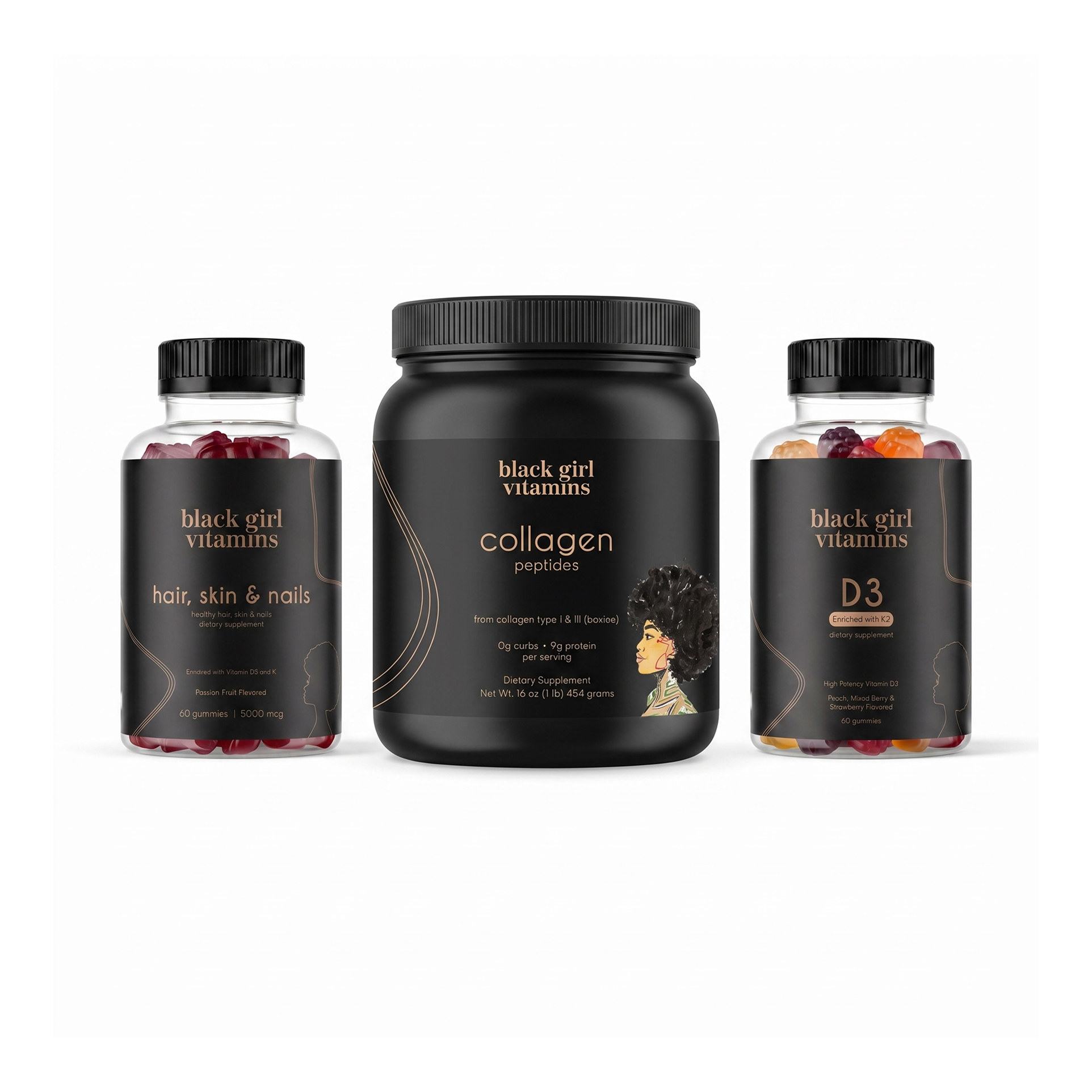
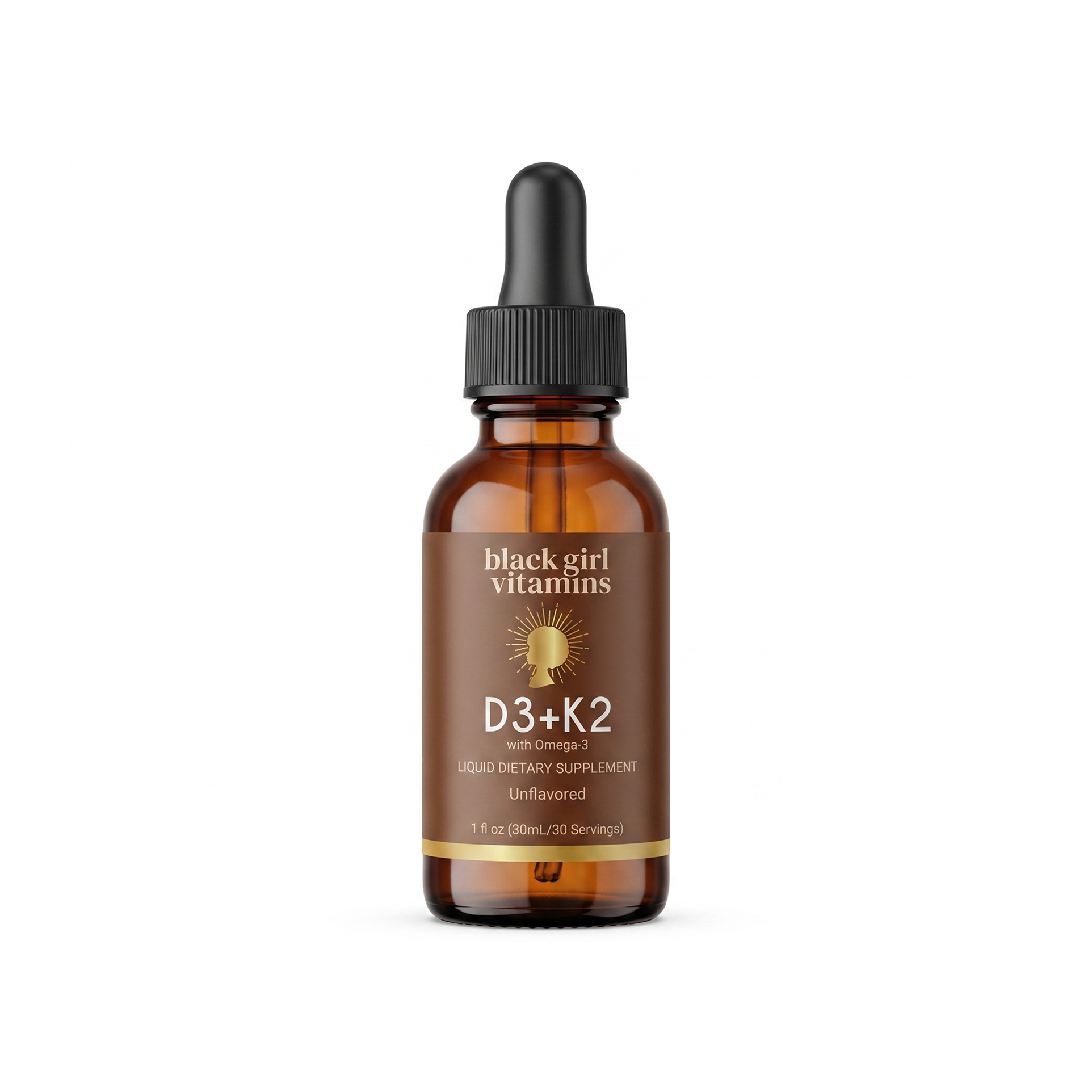
At Black Girl Vitamins, we offer several ways to incorporate D3 into your daily routine, including our Vitamin D3 + K2 Drops, Vitamin D3 + K2 Gummies, and Sugar-Free D3 Gummies.
Each option provides 2,000 IU (50 mcg) of vitamin D3 per recommended serving, paired with vitamin K2. The best format depends on your preferences, dietary needs, and what fits into your routine.
What's the Difference Between Vitamin D3 + K2 Drops and Gummies?
Both options provide vitamin D3 and K2, but they offer different formats and additional features.
Vitamin D3 + K2 Drops
Our liquid formula combines vitamin D3, vitamin K2, and plant-based omega-3s from chia seed oil. It also uses an MCT oil base and offers a convenient option for anyone who prefers liquid supplements over gummies.
Vitamin D3 + K2 Gummies
Our original gummies offer vitamin D3 and K2 in a chewable format with peach, mango, and strawberry flavors. They're vegan and Halal certified, making them an easy addition to your daily routine.
Sugar-Free Vitamin D3 Gummies
Prefer to skip added sugar? Our sugar-free gummies provide the same 2,000 IU serving of vitamin D3 and K2 in a mixed berry flavor, without sugar or carbohydrates per serving.
Whether you prefer a liquid or a gummy, the goal is to find an option that works for your lifestyle and helps you stay consistent.
Frequently Asked Questions About Vitamin D3 + K2
Can vitamin D3 help with fatigue or low energy?
Vitamin D plays several important roles in the body, and low vitamin D levels can be associated with fatigue. If you're deficient, addressing that deficiency may help improve related symptoms. However, fatigue can have many causes, so taking vitamin D isn't guaranteed to increase your energy. If you're experiencing ongoing tiredness, speak with your healthcare provider about possible causes.
Why do Black women need to pay attention to vitamin D?
Higher melanin levels reduce the skin's ability to produce vitamin D from sunlight. Because of this, Black women may be more likely to have lower vitamin D levels, especially when combined with limited sun exposure or inadequate dietary intake. A healthcare professional can help you determine whether you need additional vitamin D.
What does vitamin K2 do, and why is it paired with vitamin D3?
Vitamin D helps your body absorb calcium, while vitamin K plays a role in activating proteins involved in normal bone and blood vessel function. The two nutrients are often paired in supplements, although research is still developing around the additional benefits of combining them.
How much vitamin D3 is in Black Girl Vitamins' D3 products?
Each recommended serving of our Vitamin D3 + K2 Drops, original Vitamin D3 + K2 Gummies, and Sugar-Free D3 Gummies provides 2,000 IU (50 mcg) of vitamin D3. Always follow the serving instructions on the product label.
How do I take the Vitamin D3 + K2 Drops?
Take one full dropper (1 mL) daily. You can place the drops directly under your tongue or mix them into water, juice, smoothies, or food. We recommend taking them alongside a meal. Avoid adding the drops to boiling-hot beverages.
How many Vitamin D3 + K2 Gummies should I take?
The recommended serving for both the original and sugar-free gummies is two gummies daily. Follow the product label for directions and take them consistently as part of your routine.
Are the Sugar-Free D3 Gummies completely sugar-free?
Yes! Our Sugar-Free D3 Gummies contain zero sugar, carbohydrates, and calories per serving. They're also vegan and Halal certified. Check the product label for the full ingredient list and allergen information.
How long does it take for vitamin D supplements to work?
This depends on your starting vitamin D levels, individual health needs, and consistency. If you're taking vitamin D to address a deficiency, your healthcare provider may recommend follow-up bloodwork to monitor your levels. There isn't one timeline for everyone, and you shouldn't rely on changes in how you feel alone to determine whether your levels have improved.
Can vitamin D supplements treat seasonal depression?
Vitamin D supplementation is not considered a proven standalone treatment for seasonal affective disorder. Research on its ability to improve SAD symptoms has produced mixed results. If you think you're experiencing seasonal depression, speak with a healthcare professional about treatment options, which may include light therapy, psychotherapy, or medication.
Make Your Wellness a Priority This Season
The colder months can bring changes to your daily routine, energy, and mood. While you can't control how much daylight the season brings, you can be more intentional about supporting your overall health.
From getting outside when you can to prioritizing rest, eating nutrient-rich foods, and keeping up with your vitamin D intake, small habits can help you stay connected to your wellness goals.
And remember, you don't have to navigate persistent changes in your mood alone. Asking for support is part of taking care of yourself, too.
Ready to make vitamin D part of your daily routine? Explore our Vitamin D3 + K2 Drops, Vitamin D3 + K2 Gummies, and Sugar-Free D3 Gummies to find the format that works for you.