














PCOS ·
Essential Lifestyle Shifts to Support Your Body with PCOS/PMOS

September is PCOS (Polycystic Ovary Syndrome) and PMDD/PMOS Awareness Month—a dedicated time to highlight a condition affecting millions of women worldwide. Managing PCOS often feels like navigating a complex maze of hormones, but actionable, lifestyle-focused adjustments can make a profound impact on your daily well-being.
Here is your guide to taking control of your health through movement, nutrition, sleep, and targeted support.
1. Prioritize Regular Movement

Whether it's strength training, brisk walking, or yoga, finding a routine you enjoy is key to long-term consistency.
2. Adopt a Well-Balanced, Hormone-Friendly Diet

Insulin resistance is central to PCOS for many women. When your body doesn't respond well to insulin, your pancreas produces more of it to manage glucose levels (WebMD). High insulin levels can trigger your ovaries to produce more androgens, worsening symptoms and increasing the risk of long-term complications (WebMD).
A well-balanced diet helps keep blood sugar steady and reduces systemic inflammation:
-
Dietary Fiber: Fiber slows digestion and combats insulin resistance (WebMD). Women should aim for 21 to 25 grams of fiber daily (WebMD). Excellent sources include:
-
Beans and lentils
-
Berries and green peas
-
Broccoli
-
Chia seeds, almonds, and pistachios (WebMD)
-
-
Anti-Inflammatory Foods: Chronic, low-grade inflammation can stimulate androgen production (WebMD). Incorporating anti-inflammatory staples helps mitigate this response:
-
Tomatoes and green leafy vegetables (kale, spinach)
-
Fatty fish rich in omega-3s (salmon, sardines, mackerel)
-
Walnuts and almonds
-
Strawberries, blueberries, cherries, and oranges
-
Extra virgin olive oil (WebMD)
-
-
Whole Grains: Carbohydrates belong in a balanced diet, but choosing complex, whole-grain options over refined carbs prevents sharp spikes in blood sugar (WebMD).
-
Healthy Fatty Acids: Combining fish oil with Vitamin E has been shown to help decrease insulin levels (WebMD).
3. Protect Your Sleep & Circadian Rhythm

Sleep plays a critical role in managing stress, supporting mental health, and regulating weight. A lack of restful sleep can contribute to weight gain and exacerbate hormonal disruptions (Ro).
To optimize your sleep hygiene:
-
Maintain a consistent bedtime routine.
-
Keep your bedroom cool, dark, and quiet.
-
Consider using a white noise machine.
-
Power down electronic devices at least an hour before bed.
-
Limit caffeine intake during the afternoon and evening (Ro).
4. Supplement Wisely for Targeted Relief

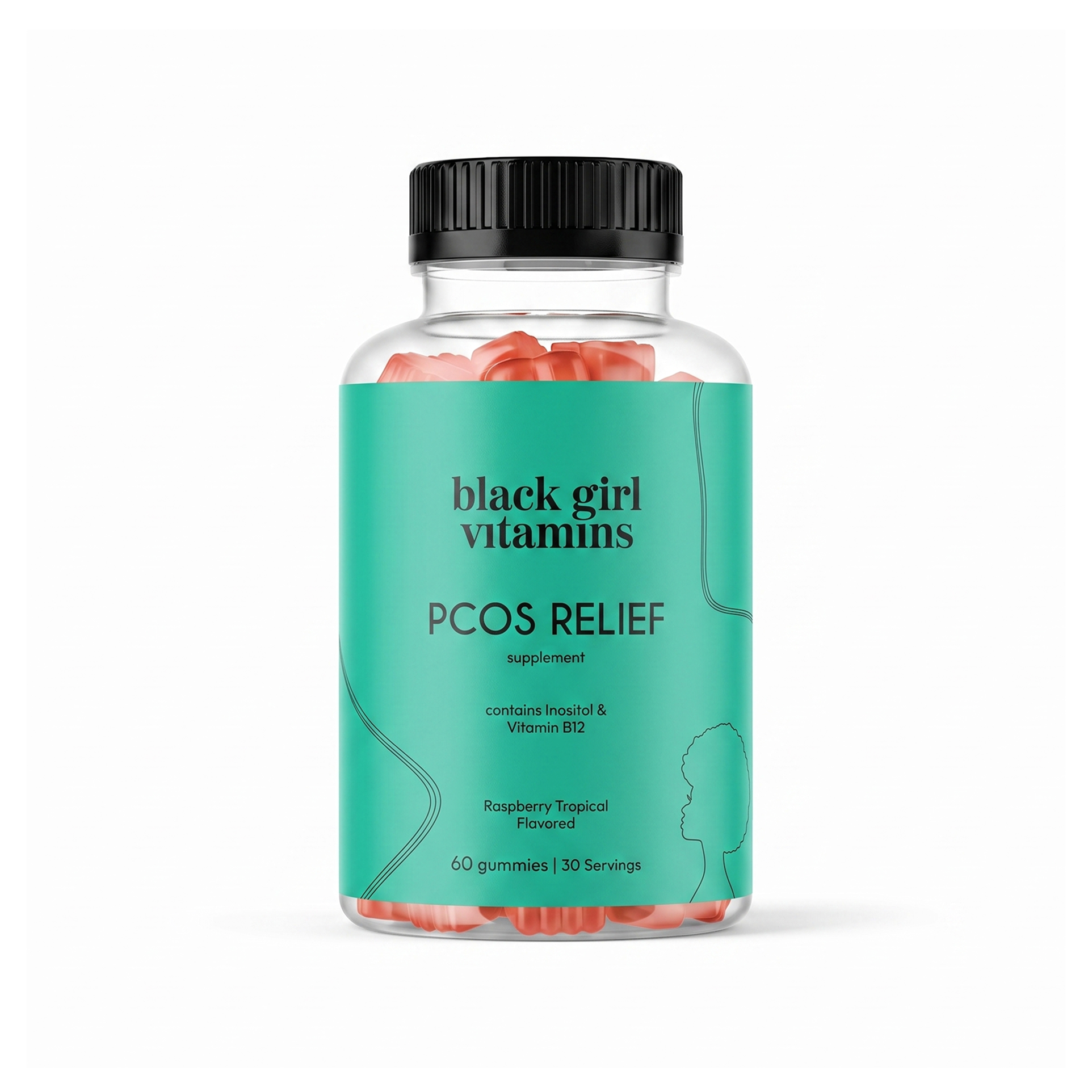
While lifestyle shifts form the foundation, targeted supplementation can help bridge the gap. Black Girl Vitamins developed PCOS Relief after years of research, focus groups, and formulation by expert chemists, selecting ingredients to address the hormonal, metabolic, and inflammatory factors of PCOS:
-
Inositol: Promotes insulin sensitivity, weight management, cycle regularity, and ovulation, while helping reduce acne and excessive hair growth across all PCOS types. It serves as a cornerstone for blood sugar control, clearer skin, and overall hormone balance.
-
DIM (Diindolylmethane): Assists in regulating menstrual cycles, hormone surges, acne, and weight fluctuations—especially beneficial for post-pill and adrenal PCOS.
-
Vitamin D: Boosts energy levels, supports mood stability, and aids in regulating inflammation.
-
Vitamin B12: Assists in converting food into usable energy, fighting the fatigue common in insulin-resistant and inflammatory PCOS.
-
Zinc: Strengthens immune function and reduces inflammation to ease symptoms associated with inflammatory PCOS.
Taking the First Step
Empowering yourself during PCOS Awareness Month starts with small, manageable choices. By pairing intentional movement and a nutrient-dense diet with quality sleep and targeted supplements, you can create a sustainable routine that supports your body from the inside out.