














5 Nutrients to Keep on Your Radar This Fall and Winter
 As the days get shorter and the temperatures drop, our routines often change. We spend more time indoors, reach for warmer comfort foods, and may find ourselves feeling a little less energized than we did during the summer. It's a good time to check in with your body and make sure you're giving it the nourishment it needs.
Nutrition plays an important role in how we feel every day, from supporting energy and immune function to maintaining strong bones and healthy muscles. While no single vitamin or supplement can do it all, getting enough essential nutrients can help support your overall wellness throughout the colder months.
At Black Girl Vitamins, we believe understanding your nutritional needs is an important part of taking charge of your health. Here are six nutrients worth knowing about as we head into fall and winter, including where to find them and when supplementation may be helpful.
1. Vitamin D: Supporting Your Body When Daylight Is Limited

Vitamin D is an important nutrient for bone health, calcium absorption, and normal muscle and immune function. Your body can produce vitamin D when your skin is exposed to sunlight, and you can also get it through certain foods and supplements.
During fall and winter, shorter daylight hours and spending more time indoors may reduce opportunities for sun exposure. However, vitamin D levels depend on several factors, including where you live, skin pigmentation, age, diet, and how much time you spend outdoors.
Vitamin D is particularly important for Black women because melanin reduces the skin's ability to produce vitamin D from sunlight. This can contribute to a greater risk of having low vitamin D levels, although individual needs and levels vary.
Foods that contain vitamin D include:
-
Fatty fish, such as salmon and trout
-
Egg yolks
-
Fortified milk and plant-based milk alternatives
-
Fortified cereals and other foods with added vitamin D
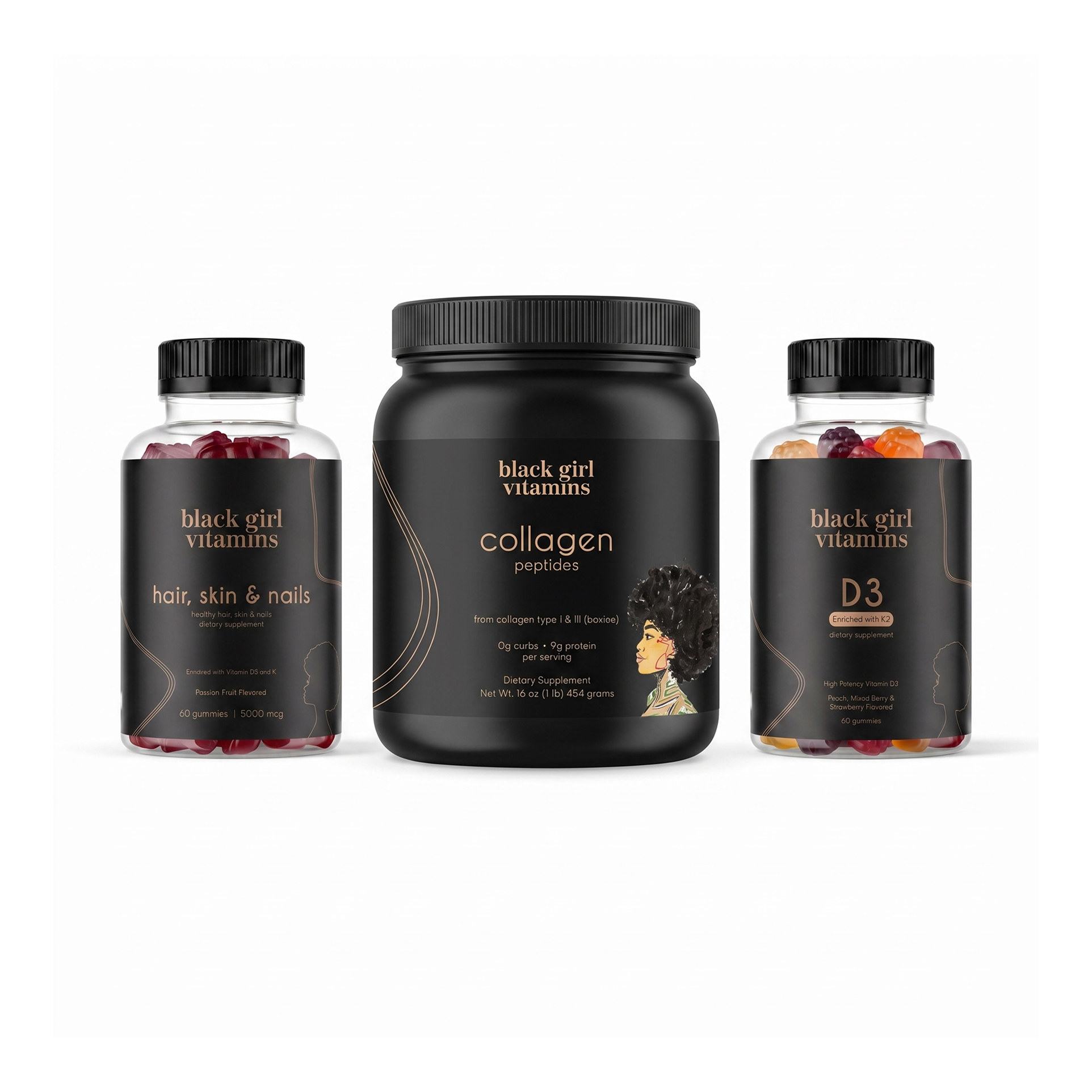
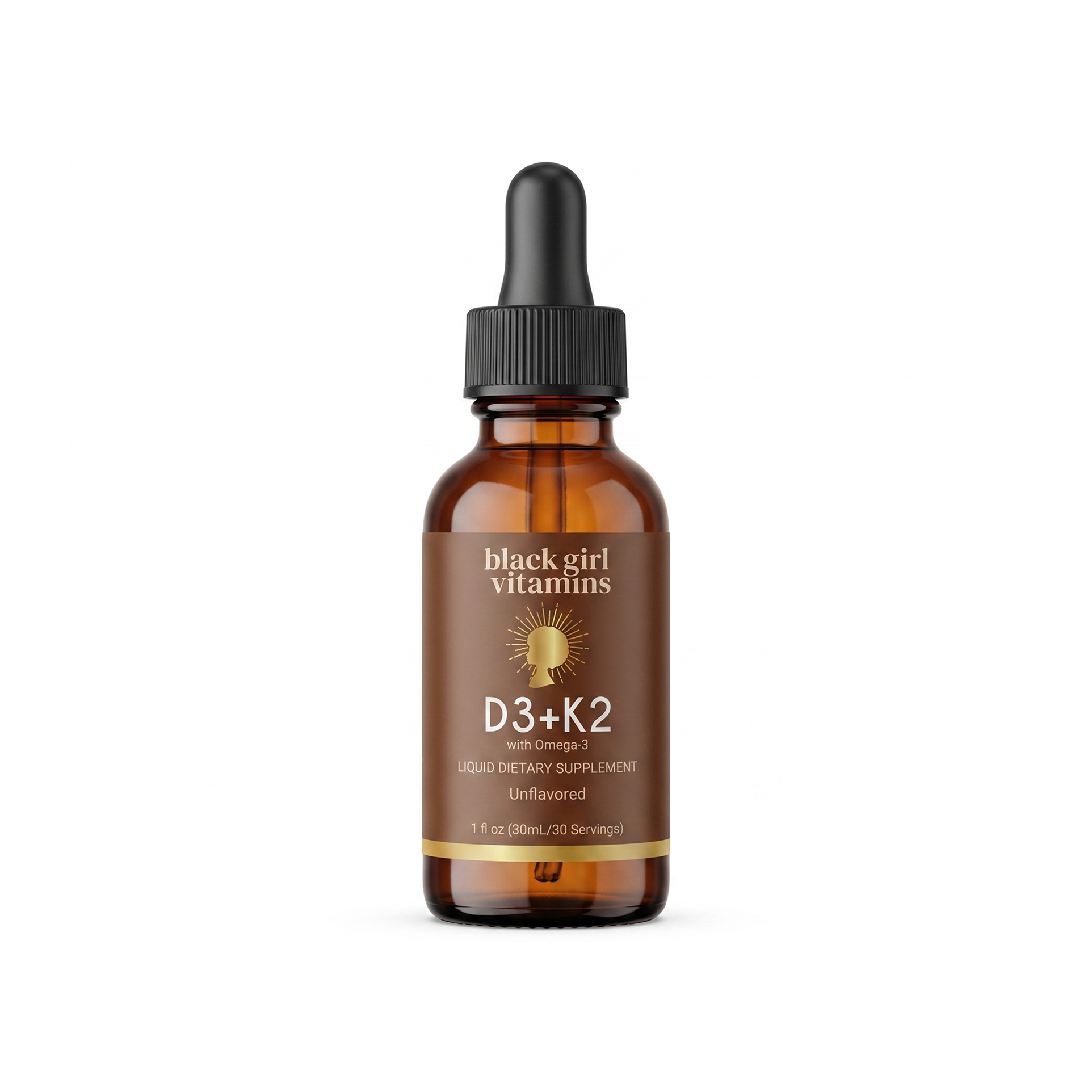
Because relatively few foods naturally contain substantial amounts of vitamin D, some people may benefit from supplementation. Black Girl Vitamins offers Vitamin D3 in gummies and drops for those looking to incorporate vitamin D into their wellness routine.
If you're concerned about your vitamin D levels, talk with your healthcare provider about whether testing or supplementation makes sense for you. Taking more vitamin D than your body needs can be harmful, so it's important to choose an appropriate dose.
2. Vitamin B12: Helping Support Energy and Nervous System Health

Feeling tired as the weather changes? Before automatically reaching for an energy drink or another cup of coffee, consider the bigger picture of your energy levels, including whether you're meeting your nutritional needs.
Vitamin B12 helps your body form red blood cells, supports normal nervous system function, and plays a role in DNA production. A deficiency can contribute to fatigue, weakness, and certain neurological symptoms.
Vitamin B12 is naturally found in animal-based foods, which means people following vegan or vegetarian diets may need to pay closer attention to their intake. Older adults and people with certain digestive conditions or medication use may also have difficulty absorbing enough B12.
Foods that provide vitamin B12 include:
-
Fish and shellfish
-
Meat and poultry
-
Eggs
-
Milk, yogurt, and other dairy products
-
Fortified cereals and fortified nutritional yeast
If you don't regularly eat foods that contain B12, fortified foods or a supplement may help you meet your needs. Black Girl Vitamins offers B12 as an option for those looking to support their nutritional intake.
One important reminder: fatigue can have many causes, including inadequate sleep, stress, iron deficiency, thyroid conditions, and other health concerns. A B12 supplement isn't a guaranteed energy boost if you already get enough of the vitamin. If you're persistently tired, speak with a healthcare professional to explore the cause.
3. Iron: Supporting Red Blood Cells and Oxygen Delivery

Iron helps your body make hemoglobin, a protein in red blood cells that carries oxygen throughout your body. Getting enough iron supports normal energy metabolism and helps your muscles function properly.
Iron deserves particular attention for women who menstruate, since blood loss can increase iron requirements. Heavy periods can raise the risk of iron deficiency, and pregnancy can increase the body's need for iron as well.
Signs of iron deficiency can include fatigue, weakness, dizziness, headaches, and shortness of breath. These symptoms can overlap with other conditions, so they shouldn't be used to diagnose a deficiency on their own.
Iron-rich foods include:
-
Lean meat and seafood
-
Beans and lentils
-
Tofu
-
Spinach and other leafy greens
-
Iron-fortified cereals and breads
Plant-based sources contain non-heme iron, which the body absorbs less readily than the heme iron found in animal foods. Eating plant-based iron sources alongside vitamin C-rich foods, such as citrus fruits, bell peppers, or strawberries, can help improve absorption.
Although iron is essential, taking extra iron when you don't need it can cause side effects and may be harmful. If you suspect low iron, ask your healthcare provider whether blood tests are appropriate before starting an iron supplement.
4. Omega-3 Fatty Acids: Supporting Heart and Brain Health

As we build balanced meals for the colder months, healthy fats deserve a place on the plate. Omega-3 fatty acids are essential fats that support several functions in the body, including normal cell function. Certain omega-3s are especially important for heart health, and DHA is a key structural component of the brain and retina.
The three main omega-3s you'll often hear about are ALA, EPA, and DHA. ALA is found primarily in plant foods, while EPA and DHA are found in fatty fish and some algae-based products.
Sources of omega-3 fatty acids include:
-
Salmon, sardines, and mackerel
-
Chia seeds
-
Ground flaxseed
-
Walnuts
-
Hemp seeds
Eating fish regularly can help you get EPA and DHA, while plant foods provide ALA. Your body converts some ALA into EPA and DHA, but that conversion is limited.
If you don't eat fish, you may want to discuss other sources of omega-3s with your healthcare provider. Algae-based supplements can provide DHA and sometimes EPA without using fish oil.
Omega-3 supplements aren't necessary for everyone, and they shouldn't replace a balanced diet. If you take blood-thinning medication or have a medical condition, check with a healthcare professional before adding a supplement.
5. Fiber: Supporting Digestion and Gut Health

When temperatures drop, it can be tempting to swap fresh produce for heavier comfort foods. There's nothing wrong with enjoying your favorite seasonal meals, but don't forget to include fiber-rich foods throughout the day.
Fiber supports digestive health and regular bowel movements. Certain types of fiber can also help support healthy cholesterol levels and blood sugar management. Some fibers act as prebiotics, providing nourishment for beneficial gut bacteria.
Easy ways to add more fiber to your meals include:
-
Adding beans or lentils to soups and stews
-
Choosing oatmeal or whole-grain cereals for breakfast
-
Snacking on fruit, nuts, or seeds
-
Including vegetables with lunch and dinner
-
Choosing whole grains more often
If you're increasing your fiber intake, do it gradually and drink enough water to help your digestive system adjust. Increasing fiber too quickly can contribute to gas or bloating.
Food is a great place to start, but some people may need additional support to meet their fiber goals. A fiber supplement may be useful in certain situations, although it isn't a substitute for a varied diet.
Do You Need Supplements During Fall and Winter?
With so many vitamins and supplements available, it can be tempting to build an entire routine around the changing seasons. But the truth is that not everyone needs the same nutrients in the same amounts, and colder weather doesn't automatically mean you need more supplements.
Your nutritional needs depend on factors such as your age, eating habits, activity level, medications, medical history, and whether you have a confirmed nutrient deficiency. Some people may benefit from supplementation, while others can meet their needs through food alone.
Before adding something new to your routine, consider these steps:
Take stock of your diet. Think about the foods you eat regularly and whether your meals include a variety of fruits, vegetables, whole grains, protein sources, and healthy fats.
Pay attention to your body. Persistent fatigue, unusual weakness, changes in digestion, or other ongoing symptoms may deserve medical attention. These symptoms can have many causes, and taking a supplement without understanding the cause may not address the problem.
Talk with your healthcare provider. Ask whether you have any specific nutritional needs, whether testing is appropriate, and whether a supplement could interact with your medications or other products.
Read labels carefully. Check serving sizes, ingredient lists, and amounts per serving. Taking multiple supplements with overlapping ingredients can cause you to exceed recommended amounts.