











The Disproportionate Impact of PMOS on Black Women: Symptoms, Risks, and Barriers to Care

Summary
-
PMOS (formerly known as POCS) is a hormonal condition affecting 1 in 10 women, yet up to 75% remain undiagnosed
-
Black women face higher risks of severe symptoms and long-term health complications associated with PMOS
-
Systemic issues like healthcare bias, stigma, and lack of reproductive health education contribute to delayed diagnosis and treatment
-
PMOS is linked to conditions like diabetes, heart disease, infertility, and metabolic syndrome
-
Black Girl Vitamins developed PMOS Relief to provide more targeted, culturally informed support for Black women navigating PMOS
What Is PMOS?
Polyendocrine Metabolic Ovarian Syndrome (PMOS) is a hormonal imbalance that occurs when the ovaries produce excess androgens, or male hormones. This imbalance can disrupt ovulation, preventing the release of eggs and leading to small fluid-filled cysts on the ovaries. (Cleveland Clinic)
PMOS affects an estimated 5 million women in the United States, making it one of the most common hormonal disorders among women. Yet despite how common it is, PMOS remains significantly underdiagnosed and under-researched, especially in Black women.
Common Symptoms of PCOS

PMOS symptoms can vary widely from person to person, but common signs include:
-
Acne
-
Infertility or difficulty ovulating
-
Weight gain or trouble losing weight
-
Hair thinning or male-pattern hair loss
-
Excess facial or body hair (hirsutism)
-
Hyperpigmentation
-
Irregular or infrequent periods
-
Multiple ovarian cysts
-
Elevated androgen levels
For many women, these symptoms are dismissed or normalized for years before they receive answers.
The Diagnosis Gap in Black Women
Although PMOS affects women across all racial and ethnic backgrounds, Black women are often disproportionately impacted by both the condition itself and the barriers surrounding diagnosis and treatment.
Research shows that up to 75% of women with PMOS remain undiagnosed by their doctor. (RSP)
Many Black women report:
-
Feeling invisible within healthcare settings
-
Having symptoms minimized or ignored
-
Being told their concerns are “normal” instead of being properly investigated
This form of healthcare gaslighting can delay diagnosis and prevent women from receiving the support they need early on.
How PMOS Disproportionately Impacts Black Women
Black women with PCOS experience higher risks of:
-
Hirsutism
-
Infertility
-
Insulin resistance
-
Obesity
-
Type 2 diabetes
-
Uterine bleeding
-
Stroke
-
Cardiovascular disease
-
Metabolic syndrome
PMOS can also increase the likelihood of other serious health conditions that already disproportionately impact Black communities, including:
-
Heart disease
-
High blood pressure
-
Sleep apnea
-
Depression and anxiety
-
Stroke
-
Obesity
Women with PMOS are also:
-
6 times more likely to develop endometrial cancer
-
3 times more likely to experience miscarriage (RSP)
These disparities are not simply biological, they are also tied to systemic inequities that shape healthcare access, education, stress levels, and long-term outcomes.
The Role of Systemic Barriers and Reproductive Stigma
Many experts believe these disparities are influenced by social determinants of health that are negatively impacted by racism, sexism, chronic stress, and systemic oppression.
Many Black women, especially those with PCOS, report feeling invisible in healthcare spaces, with symptoms often dismissed instead of properly addressed.
According to A Reproductive Justice Outlook (TCF), centering Black reproductive health is crucial in conversations around menstruation and hormonal conditions like PMOS.
Reproductive stigma within the Black community can make conversations around:
-
Irregular periods
-
Fertility struggles
-
Hormonal imbalance
-
Painful cycles
more difficult to openly discuss, often leading to delayed diagnosis and treatment.
The report also highlights how sex education frequently focuses on pregnancy prevention and sexually transmitted infections, leaving major gaps in reproductive health literacy around conditions like PMOS.
As reproductive rights continue to face challenges, conversations surrounding menstrual irregularities, fertility, and pregnancy loss become even more important for women living with PMOS.
A More Targeted Approach: BGV PCOS Relief

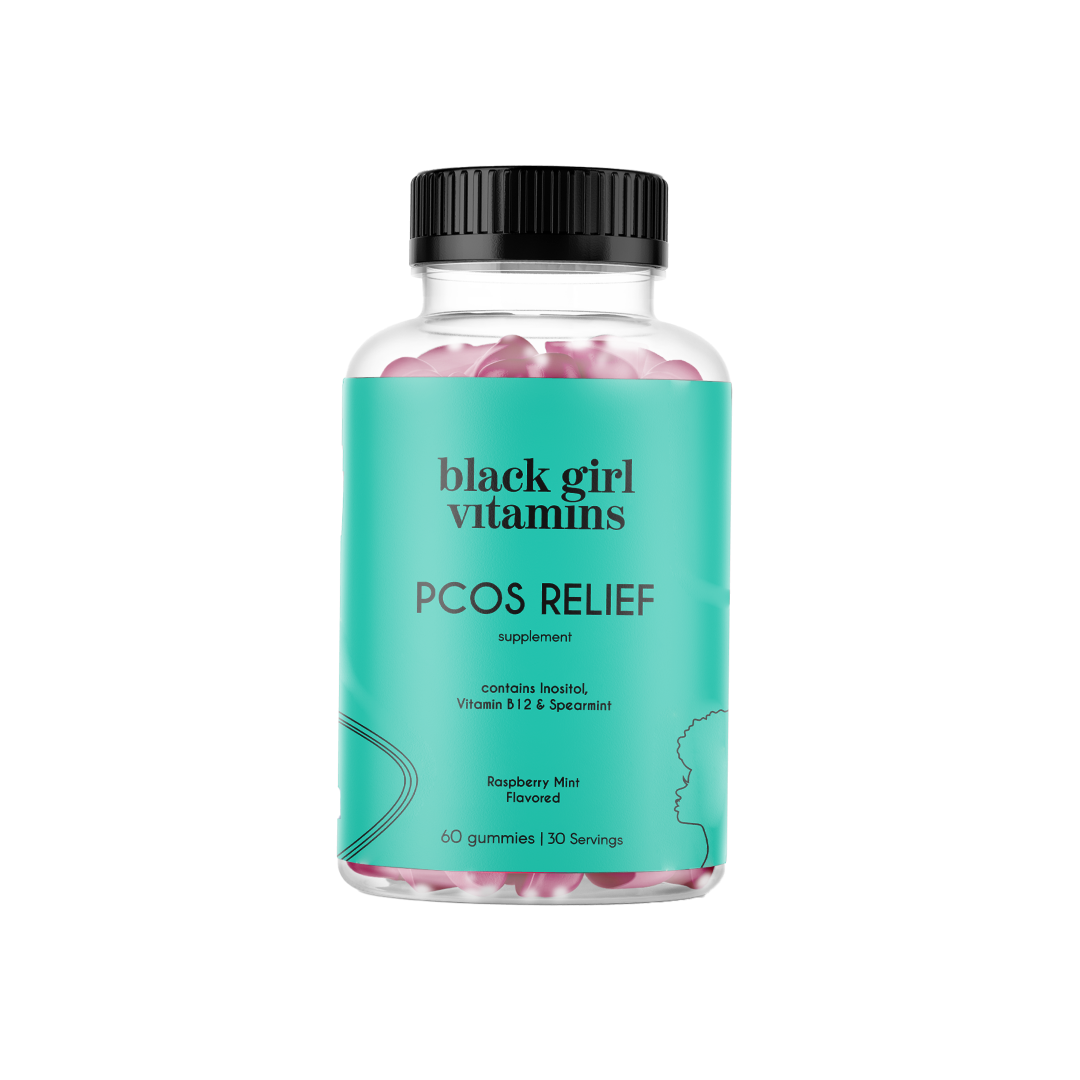
Black Girl Vitamins developed PCOS Relief to better support Black women navigating the complexities of PCOS and searching for answers to a condition that often feels overlooked and underserved.
The formula was created by a team of Black doctors, chemists, and women living with PMOS, with the goal of addressing the hormonal, metabolic, and inflammatory factors connected to PMOS symptoms.
Focus group research played a major role in the development process, helping ensure the formula directly reflects the unique concerns and experiences of Black women with PMOS.
PCOS Relief is a holistic, 100% vegan supplement designed to support multiple areas of PMOS at once. Each gummy contains science-backed ingredients like spearmint and raspberry to support hormone balance, overall wellness, and symptoms commonly associated with PMOS.
Beyond the product itself, Black Girl Vitamins has hosted ongoing, expert-led webinars, creating space for education, transparency, and real conversation around PMOS and Black women’s reproductive health.
These webinars bring together hundreds of women to:
-
Learn more about PMOS
-
Ask questions often overlooked in traditional healthcare settings
-
Build community with others navigating similar experiences
Because supporting PCOS isn’t just about supplements, it’s also about education, advocacy, and making Black women feel seen in conversations about reproductive health.
Frequently Asked Questions
Why does PCOS affect Black women differently?
Black women often experience higher rates of severe symptoms and related health complications, influenced by both biological and systemic factors.
Why is PCOS commonly undiagnosed?
Symptoms are frequently overlooked, normalized, or misdiagnosed, especially in women of color.
What health conditions are linked to PCOS?
PCOS is associated with diabetes, infertility, heart disease, high blood pressure, metabolic syndrome, and other long-term health concerns.
What helps support PCOS symptoms?
Support can include lifestyle changes, medical care, stress management, and targeted supplements designed to support hormone balance and metabolic health.
Sources
“Black Women and PCOS.” Resilient Sisterhood Project, 29 July 2023, rsphealth.org/pcos/.
Leaphart, Krystal. Why Black Women Need Polycystic Ovarian Syndrome to Be Treated as a Reproductive Justice Issue, tcf.org/content/commentary/why-black-women-need-polycystic-ovarian-syndrome-to-be-treated-as-a-reproductive-justice-issue/. Accessed 7 May 2026.
“PCOS (Polycystic Ovary Syndrome): Symptoms & Treatment.” Cleveland Clinic, 15 Feb. 2023, my.clevelandclinic.org/health/diseases/8316-polycystic-ovary-syndrome-pcos.