














How Vitamin D Can Help Reduce Fibroids

Quick Summary
-
Uterine fibroids are very common noncancerous growths in the uterus.
-
Low vitamin D levels are linked to a higher risk of fibroids and more severe symptoms.
-
Vitamin D may help slow fibroid growth and support hormone balance.
-
Black women are more likely to have low vitamin D levels, which may increase risk.
-
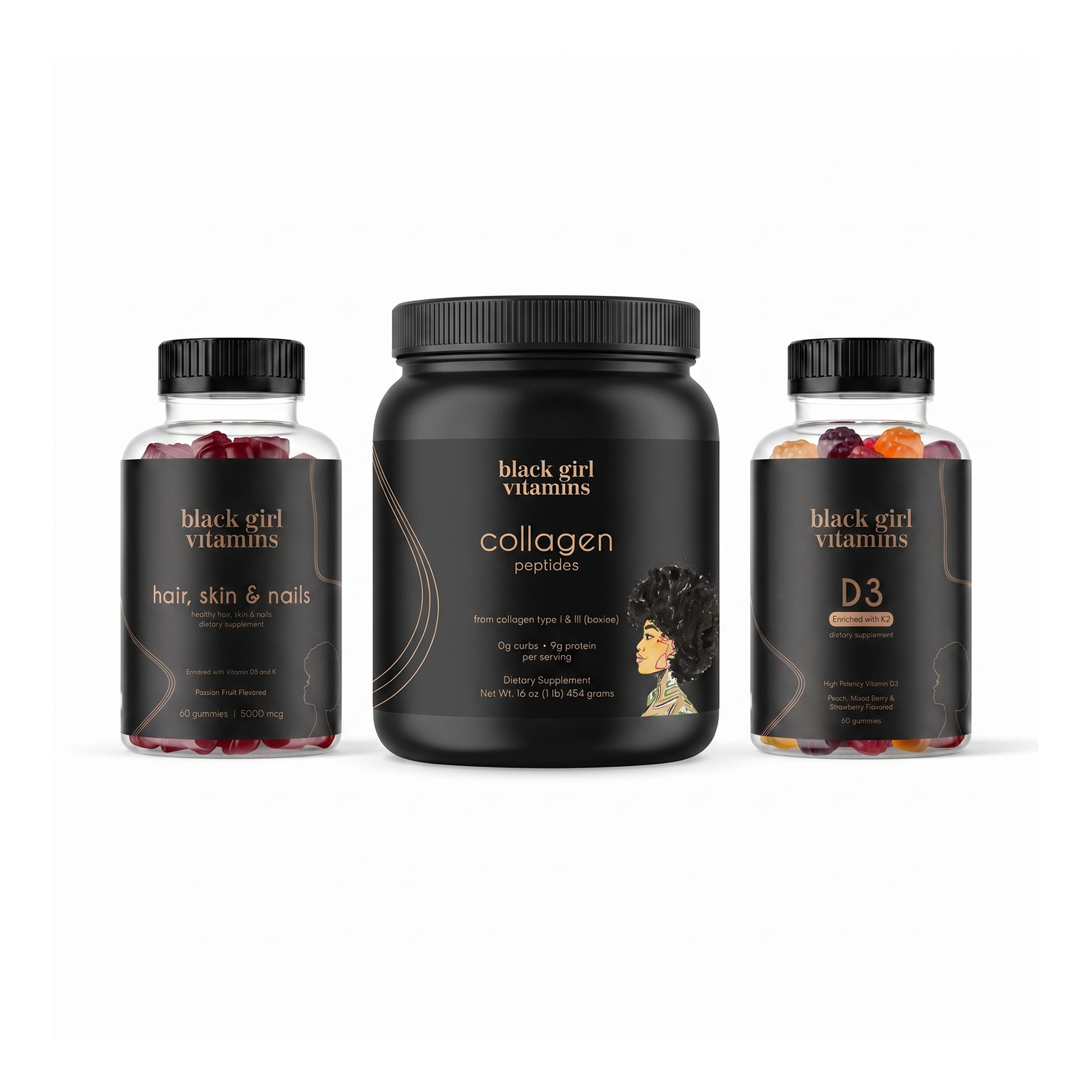
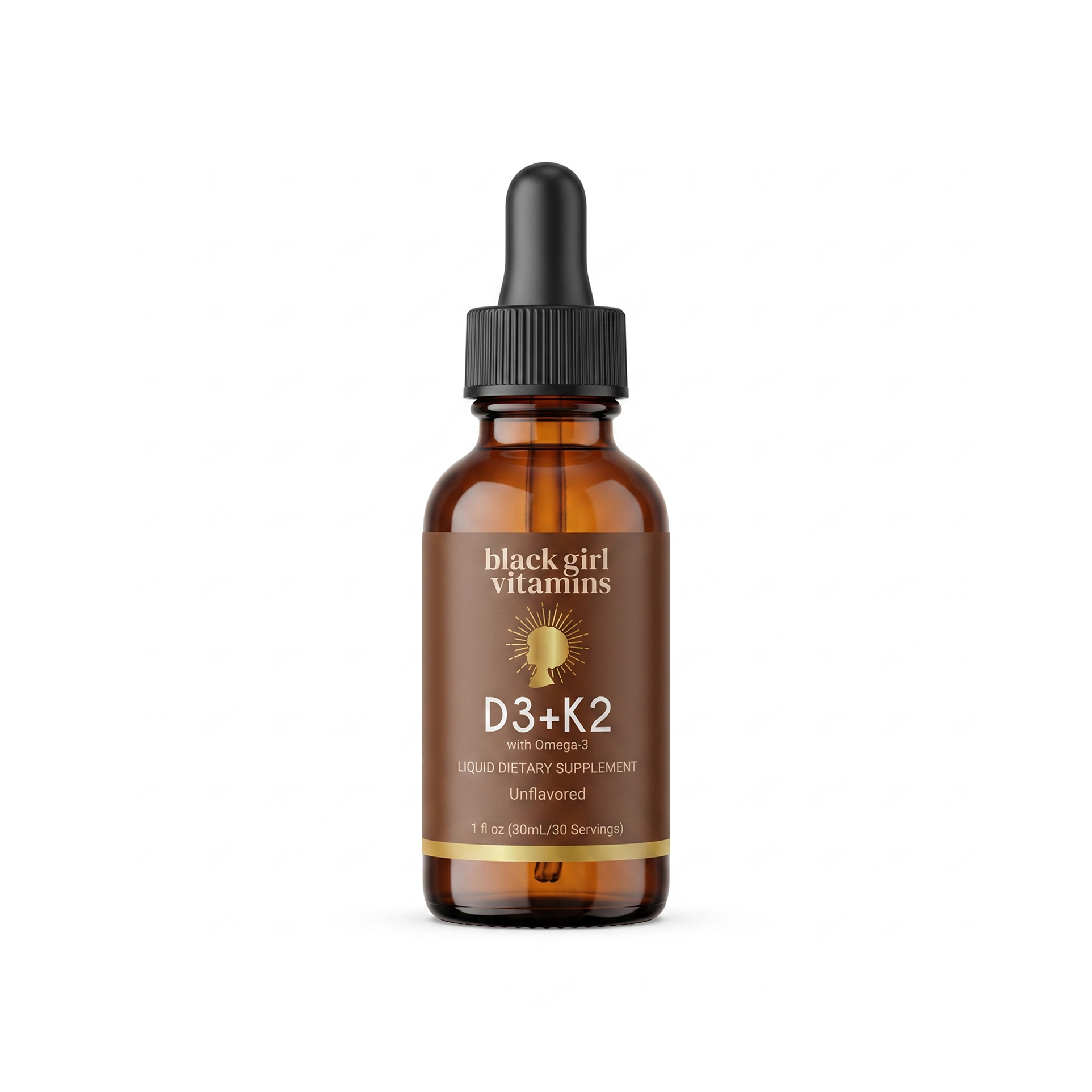
Supporting healthy vitamin D levels — including with Black Girl Vitamins D3 — may be a helpful step in prevention and wellness.
What Are Uterine Fibroids?

Uterine fibroids are noncancerous growths that form in or around the uterus. Some women never notice them, while others experience symptoms that affect daily life.
Common symptoms include:
-
Heavy or long periods
-
Pelvic pressure or pain
-
Frequent urination
-
Bloating
-
Trouble getting pregnant
Fibroids are one of the leading reasons women undergo hysterectomies in the U.S., making prevention and early support especially important.
Why Are Fibroids So Common in Black Women?

Black women are more likely to develop fibroids at younger ages and experience more severe symptoms.
Possible reasons include:
-
Hormonal differences
-
Genetics
-
Health inequities and limited access to care
- Higher rates of vitamin D deficiency
Because vitamin D deficiency is more common in Black women, researchers believe it may be one factor contributing to this disparity.
How Does Vitamin D Affect Fibroid Risk?

Q: Is low vitamin D linked to fibroids?
Yes. Studies in the U.S., Europe, and North Africa found that women with low vitamin D levels were more likely to develop fibroids. Higher vitamin D levels were linked to smaller and fewer fibroids (Al-Hendy & Badr).
Q: Why does vitamin D matter?
Vitamin D helps regulate how cells grow, how hormones function, and how the body handles inflammation. These all play a role in fibroid development.
How Vitamin D May Help Support Fibroid Health
Research suggests vitamin D may help in several ways:
1. Helps Control Abnormal Growth
Vitamin D supports normal cell growth and may help slow the development of fibroids.
2. Supports Natural Cell Turnover
It encourages the body to break down unhealthy or excess cells, which may help limit fibroid growth.
3. Helps Reduce Tissue Buildup
Fibroids grow as excess tissue builds up in the uterus. Vitamin D may help reduce this buildup and support healthier tissue balance.
4. Supports Hormone Balance
Fibroids are influenced by estrogen and progesterone. Vitamin D may help regulate how the body responds to these hormones.
What Does the Research Show?
Key findings include:
-
Women with higher vitamin D levels had lower fibroid risk.
-
Vitamin D helped slow fibroid growth in lab and animal studies.
-
Higher vitamin D levels were linked to less severe fibroid symptoms.
Important: More human studies are needed, but current findings are promising (Al-Hendy & Badr).
Why Vitamin D Matters Even More for Black Women
Melanin reduces how much vitamin D the skin can produce from sunlight. This makes deficiency more common among Black women.
Factors that increase deficiency risk:
-
Limited sun exposure
-
Indoor work environments
-
Dietary gaps
-
Higher melanin levels
Because vitamin D plays a role in fibroid risk, maintaining healthy levels may be an important preventive step.
How to Support Healthy Vitamin D Levels
1. Get Safe Sun Exposure
Spend short periods in the sun several times per week when possible.
2. Eat Vitamin D–Rich Foods
-
Fatty fish like salmon
-
Egg yolks
-
Fortified milk or plant-based alternatives
3. Consider Supplementation

Many women benefit from daily vitamin D support.
Black Girl Vitamins D3 makes it easy to maintain healthy levels and support overall wellness — especially for women at higher risk of deficiency.
Why Choose Black Girl Vitamins D3?
BGV D3 is designed with Black women’s health needs in mind, supporting:
-
Bone strength
-
Immune health
-
Hormone balance
-
Inflammation support
While vitamin D is not a cure for fibroids, maintaining healthy levels may help support reproductive health and overall wellness.
Q&A: Vitamin D and Fibroids
Q: Can vitamin D shrink fibroids?
Research in lab and animal studies suggests vitamin D may help reduce fibroid growth, but human studies are still needed.
Q: Can vitamin D prevent fibroids?
Healthy vitamin D levels are linked to lower risk, but fibroids have multiple causes.
Q: How much vitamin D do I need?
Many people benefit from 1,000–2,000 IU daily. Always consult a healthcare provider for personalized guidance.
Q: Is vitamin D safe?
Vitamin D is safe for most people when taken as directed.
The Bottom Line
Fibroids are a major health concern for Black women, but emerging research suggests vitamin D may play a role in lowering risk and supporting symptom management.
Maintaining healthy vitamin D levels — through sunlight, food, and supplements like Black Girl Vitamins D3 — is a simple, proactive step toward reproductive wellness.
Because when we prioritize our health, we protect our future.
Source
Al-Hendy, A., & Badr, M. Can vitamin D reduce the risk of uterine fibroids? Womens Health (Lond). PMCID: PMC4209245.