

















Best Vitamins for Aging Well: Why Vitamin D, B12, and Calcium Matter More After 50
 Summary
-
Learn which vitamins are most important to watch as you age
-
See why vitamin D, vitamin B12, and calcium matter more after 50
-
Discover how Black Girl Vitamins Vitamin D3 Gummies support daily wellness
-
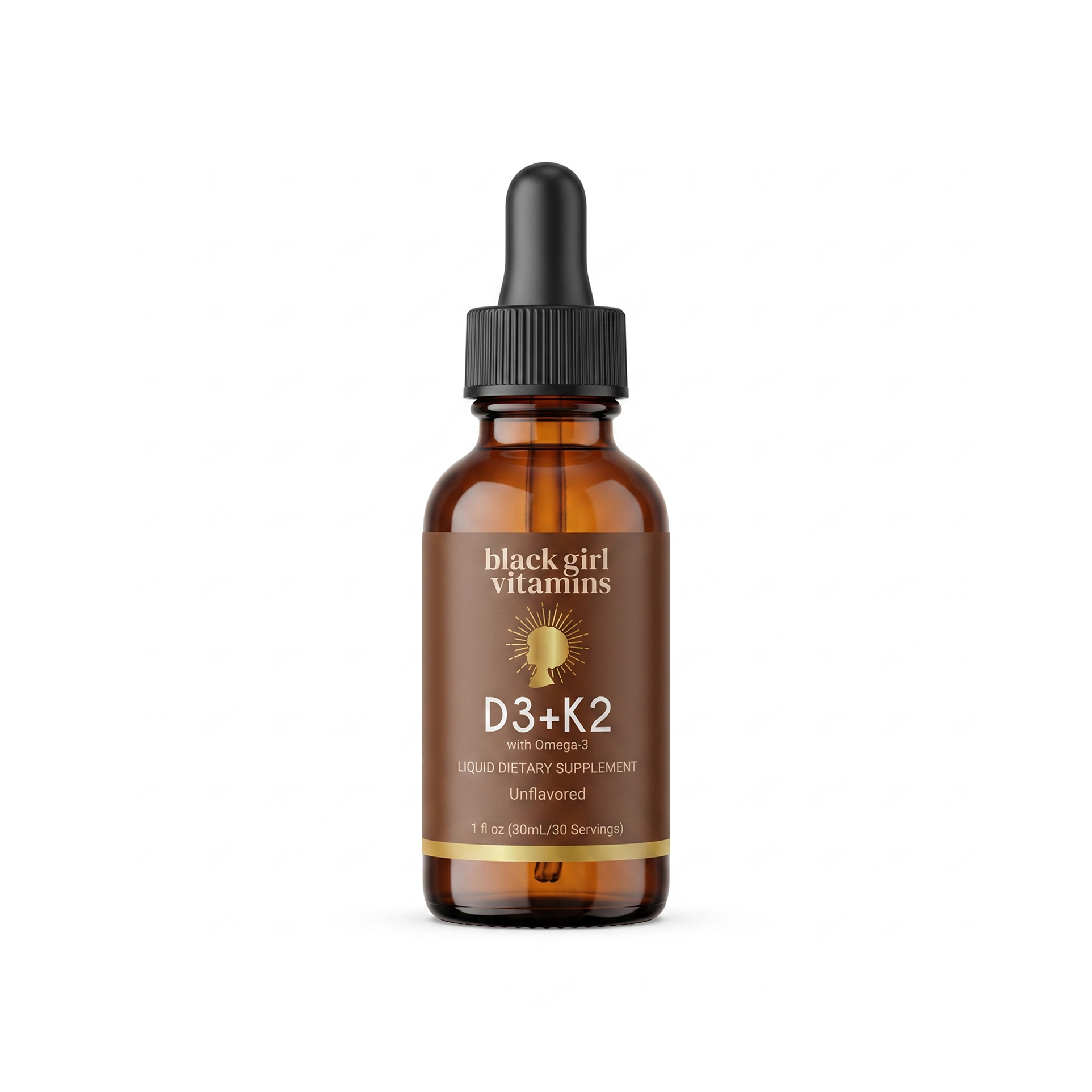
Explore how BGV Vitamin D3 + K2 + Calcium Drops fit into a bone-support routine
-
Get quick answers to common questions about aging and supplements
As you get older, your body’s nutritional needs can shift. According to the National Institute on Aging, older adults may need to pay closer attention to nutrients such as vitamin D, vitamin B12, and calcium, as absorption and daily requirements can change with age.
The agency notes that adults ages 51–70 need 600 IU of vitamin D daily, adults over 70 need 800 IU, and some adults over 50 may have trouble absorbing enough vitamin B12 from food alone. Women 51 and older also need 1,200 mg of calcium per day. (National Institute on Aging)
That is why a more intentional vitamin routine can make sense with age. Black Girl Vitamins Vitamin D3 Gummies are an easy option for daily vitamin D support, while BGV Vitamin D3 + K2 + Calcium Drops offer more targeted support for women focused on bone health. Together, these are the kinds of nutrients worth paying more attention to when thinking about healthy aging.
Why Nutrient Needs Change With Age
Healthy aging is not about taking every supplement on the shelf. It is about understanding which nutrients deserve a closer look.
The National Institute on Aging explains that while food should usually come first, older adults may need supplements when diet, absorption, or health needs make it harder to get enough of certain nutrients.
One nutrient to watch closely: Vitamin B12

Vitamin B12 is especially important after 50 because some adults may not absorb it as easily from food. That makes it one of the top nutrients to keep on your radar as part of a healthy aging routine.
Vitamin D and Calcium for Bone Support

Vitamin D and calcium are two of the most important nutrients for aging well, especially when bone health becomes more of a priority.
Why vitamin D matters
The National Institute on Aging recommends 600 IU of vitamin D per day for adults ages 51–70 and 800 IU for adults over 70. Vitamin D supports bone health and is especially worth paying attention to if you get limited sunlight or do not get much from your diet.
Where BGV fits in
For simple daily support, Black Girl Vitamins Vitamin D3 Gummies can help support a consistent vitamin D routine. For more targeted support, BGV Vitamin D3 + K2 + Calcium Drops combine nutrients often associated with bone-focused wellness.
How to Build a Smarter Routine After 50

The best vitamin routine is usually the simplest one.
Focus on the essentials
For many women, that means paying closer attention to:
-
Vitamin D
-
Calcium
-
Vitamin B12
Choose support that matches your needs
A more intentional routine could look like:
-
BGV Vitamin D3 Gummies for daily vitamin D support
-
BGV Vitamin D3 + K2 + Calcium Drops for added bone-focused support
Frequently Asked Questions
What are the best vitamins for aging well?
Some of the most important nutrients to pay attention to with age are vitamin D, vitamin B12, and calcium. These are especially relevant for adults over 50 because needs and absorption can change over time.
Why is vitamin D important after 50?
Vitamin D supports bone health, and needs increase with age. The National Institute on Aging recommends 600 IU daily for adults ages 51–70 and 800 IU daily for adults over 70.
Why does vitamin B12 matter for older adults?
Some adults over 50 may have trouble absorbing vitamin B12 from food, which is why it is an important nutrient to watch more closely with age.
Is calcium important for healthy aging?
Yes. Women age 51 and older need 1,200 mg of calcium per day, according to the National Institute on Aging.
Can supplements replace healthy foods?
Not usually. The National Institute on Aging says it is generally better to get nutrients from food first, while supplements can help fill in gaps when needed.