














What Women With PMOS Should Know About Inositol
 For many women, living with PMOS feels like trying to solve a puzzle without all the pieces. Symptoms can shift, overlap, and intensify over time, and for Black women especially, those symptoms are often misunderstood or overlooked. That’s why conversations around PMOS must go beyond surface-level solutions and focus on real, sustainable support. One nutrient gaining attention for this purpose is inositol.
Understanding PMOS and Its Impact on the Body
Formerly known as PCOS, Polyendocrine Metabolic Ovarian Syndrome (PMOS) is a hormonal imbalance that occurs when the ovaries produce excess male hormones, known as androgens (Cleveland Clinic). This hormonal disruption can interfere with ovulation, menstrual cycles, metabolism, and insulin sensitivity, which is why PCOS often affects much more than just reproductive health.
Common symptoms include acne, irregular or infrequent periods, infertility, weight gain or difficulty losing weight, excess facial or body hair (hirsutism), thinning hair, hyperpigmentation, and ovaries with multiple cysts. Many women also experience fatigue, mood changes, and intense sugar cravings that can make daily life feel exhausting.
PMOS affects an estimated 5 million women in the United States, yet up to 75 percent of women with PCOS remain undiagnosed (RSP). Without a diagnosis, symptoms often worsen over time, increasing the risk of long-term health complications. Women with PMOS are six times more likely to develop endometrial cancer and three times more likely to experience miscarriage compared to women without PMOS (RSP).
Why PMOS Hits Black Women Differently

While PMOS affects women of all backgrounds, Black women are disproportionately impacted and often experience more severe symptoms. Research shows Black women with PMOS face a higher risk of insulin resistance, infertility, obesity, Type 2 diabetes, abnormal uterine bleeding, cardiovascular disease, stroke, and metabolic syndrome.
PMOS can also increase the likelihood of conditions that already disproportionately affect Black communities, including high blood pressure, heart disease, sleep apnea, depression, anxiety, and obesity. These outcomes are not simply the result of biology, but are deeply connected to social determinants of health shaped by racism, sexism, and systemic inequities.
Many Black women with PMOS report feeling invisible in healthcare settings. Symptoms are often minimized or dismissed, leading to delayed diagnosis and treatment. Healthcare gaslighting can prevent early intervention, even as symptoms worsen over time.
Where Inositol Comes In

This is where inositol becomes a powerful tool. Inositol is a naturally occurring compound often referred to as a vitamin-like substance that plays a key role in insulin signaling and hormonal balance. For women with PMOS, insulin resistance is one of the most common underlying drivers of symptoms, even in those who are not overweight.
By supporting insulin sensitivity, inositol can help regulate blood sugar levels, which may lead to more regular ovulation, improved menstrual cycles, and reduced androgen levels. This can translate to fewer breakouts, less excess hair growth, improved fertility outcomes, and better metabolic health over time.
Inositol has also been shown to support ovarian function and egg quality, making it especially beneficial for women trying to conceive. Unlike harsh interventions, inositol works with the body’s natural processes, offering a gentler, long-term approach to managing PMOS.
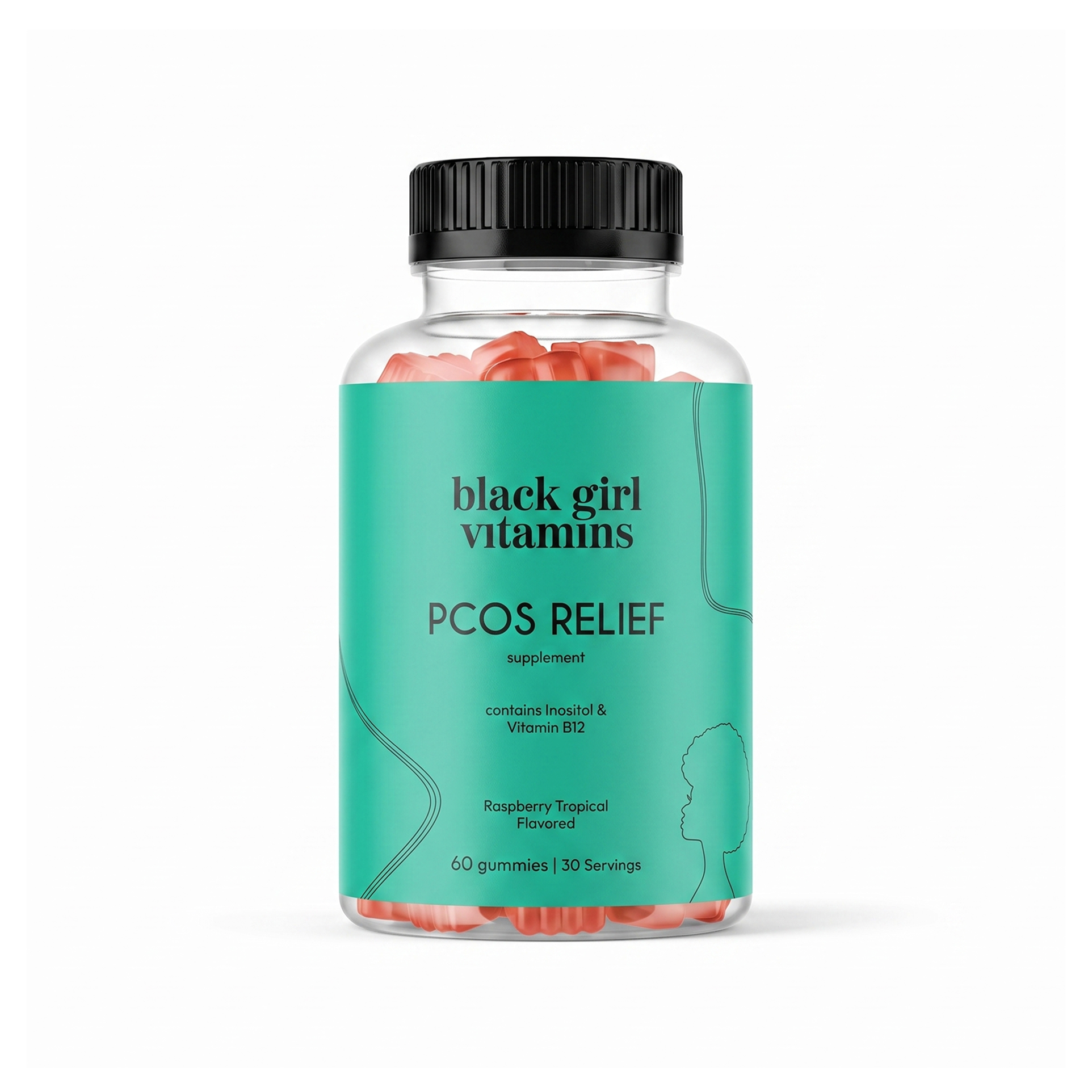
Our inositol was designed with Black women in mind and provides targeted support for insulin signaling, hormonal balance, and cycle regulation, helping address some of the most common drivers of PMOS symptoms. When taken consistently, inositol can support steadier energy levels, more balanced blood sugar, and improved reproductive health over time.
Pairing inositol with balanced nutrition, movement, and stress management can help create a more sustainable path forward for managing PMOS and reclaiming control over your health.
Supporting PMOS Beyond Supplements
While inositol can be beneficial, it is most effective when used as part of a comprehensive approach. Balanced nutrition, regular movement, stress management, and adequate sleep all play critical roles in managing PMOS symptoms. For Black women in particular, access to culturally competent care and accurate health education is essential.
PMOS is not a personal failure or something to “push through.” It is a chronic condition that deserves understanding, support, and evidence-based solutions. Inositol offers a way to address PCOS at the root, helping women feel more in control of their bodies and their health.