
















The Best Foods for Fiber Intake and How to Support Your Gut Naturally

If you’ve ever felt bloated, sluggish, or struggled with irregular digestion, fiber might be what your body is missing. It plays a crucial role in digestion, energy, heart health, and even blood sugar balance.
Let’s explore exactly what fiber does, the best foods to get more of it, and how to make it part of your daily routine.
Why Fiber Matters More Than You Think

Fiber is a type of carbohydrate that your body doesn’t fully digest. That might sound strange, but it’s actually a good thing. Instead of breaking down like other carbs, fiber travels through your digestive system and helps keep everything moving smoothly.
Some of the biggest benefits of fiber include:
-
Supporting digestion: Helps prevent constipation and keeps your bowel movements regular.
-
Supporting fullness and weight management: Fiber slows digestion, keeping you satisfied longer.
-
Supporting gut bacteria: Feeds the good bacteria in your gut, promoting a healthier microbiome.
-
Helping manage blood sugar: Slows sugar absorption for steadier energy levels.
-
Supporting heart health: Can help maintain healthy cholesterol levels.
Most adults need 25–30 grams of fiber per day, but many of us don’t hit that target. Busy schedules, processed foods, and skipped meals can make it tricky. That’s why intentionally including fiber-rich foods and supplements into your diet is key.
Top Fiber-Rich Foods to Add to Your Plate
Here are some of the best fiber sources that are delicious, easy to prepare, and versatile.
1. Beans & Legumes

Beans are nutrition powerhouses, packed with fiber, protein, and important minerals. They’re a simple, versatile way to hit your daily fiber goals.
Great options include:
-
Black beans
-
Lentils
-
Chickpeas
-
Kidney beans
Why they work: Just one cup of cooked lentils can provide about 15 grams of fiber, more than half your daily recommendation. Add beans to soups, stews, grain bowls, or even tacos. Chickpeas roasted with spices make a crunchy, high-fiber snack.
Beans aren’t just fiber-packed; they’re also budget-friendly and keep you full longer, helping prevent mid-afternoon energy slumps.
2. Fruits

Fruits are an excellent source of fiber, vitamins, and antioxidants. Eating fruit with the skin on gives you the most benefit, as many fibers are concentrated in the peel.
Top picks for fiber:
-
Raspberries (8 grams per cup!)
-
Pears (with skin)
-
Apples (with skin)
-
Bananas
-
Avocados
Tips for adding fruit: Add berries to oatmeal, pack apples or pears for on-the-go snacks, or slice avocado into a salad. Even small adjustments can give your fiber intake a serious boost.
3. Vegetables

Vegetables are naturally high in fiber and essential nutrients. But some are fiber powerhouses that deserve more attention.
High-fiber vegetables include:
-
Broccoli and cauliflower
-
Brussels sprouts
-
Sweet potatoes
-
Carrots
-
Collard greens
Try adding a serving of roasted Brussels sprouts or sweet potato to your dinner plate, or blend carrots and greens into a smoothie for a fiber boost without even thinking about it.
4. Whole Grains

Switching from refined grains to whole grains is one of the easiest ways to increase fiber intake. Whole grains contain all parts of the grain, which keeps fiber intact.
Best whole grain choices:
-
Oats
-
Quinoa
-
Brown rice
-
Barley
-
Whole wheat bread or pasta
Even swapping white rice for quinoa or whole wheat bread for your morning toast can make a noticeable difference over time. Whole grains not only support digestion but also provide steady energy throughout your day.
5. Seeds & Nuts
Seeds and nuts may be small, but they pack a big fiber punch. Plus, they add healthy fats and minerals, which are great for heart and brain health.
Fiber favorites:
-
Chia seeds
-
Flaxseeds
-
Almonds
-
Pistachios
Add seeds to smoothies, sprinkle nuts on oatmeal or salads, or snack on them plain. Even a tablespoon of chia seeds can add 5 grams of fiber to your diet!
When Food Alone Isn’t Enough
Even with a balanced diet, hitting your daily fiber goals can be tricky. Busy schedules, changes in appetite, and travel can leave gaps. That’s why fiber supplements can be helpful — they’re not a replacement for whole foods, but a gentle way to support your gut when life gets busy.
BGV Fiber Gummies

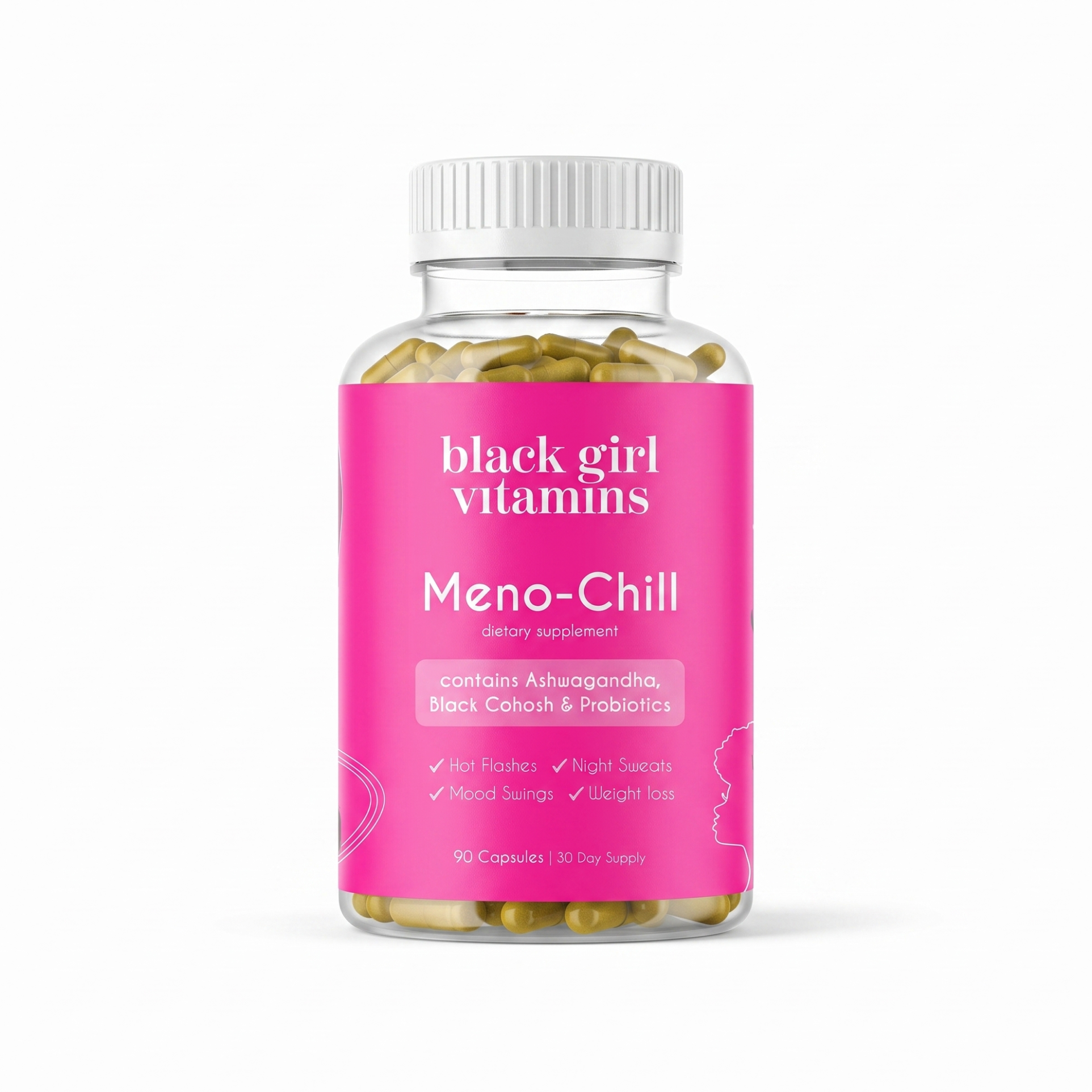
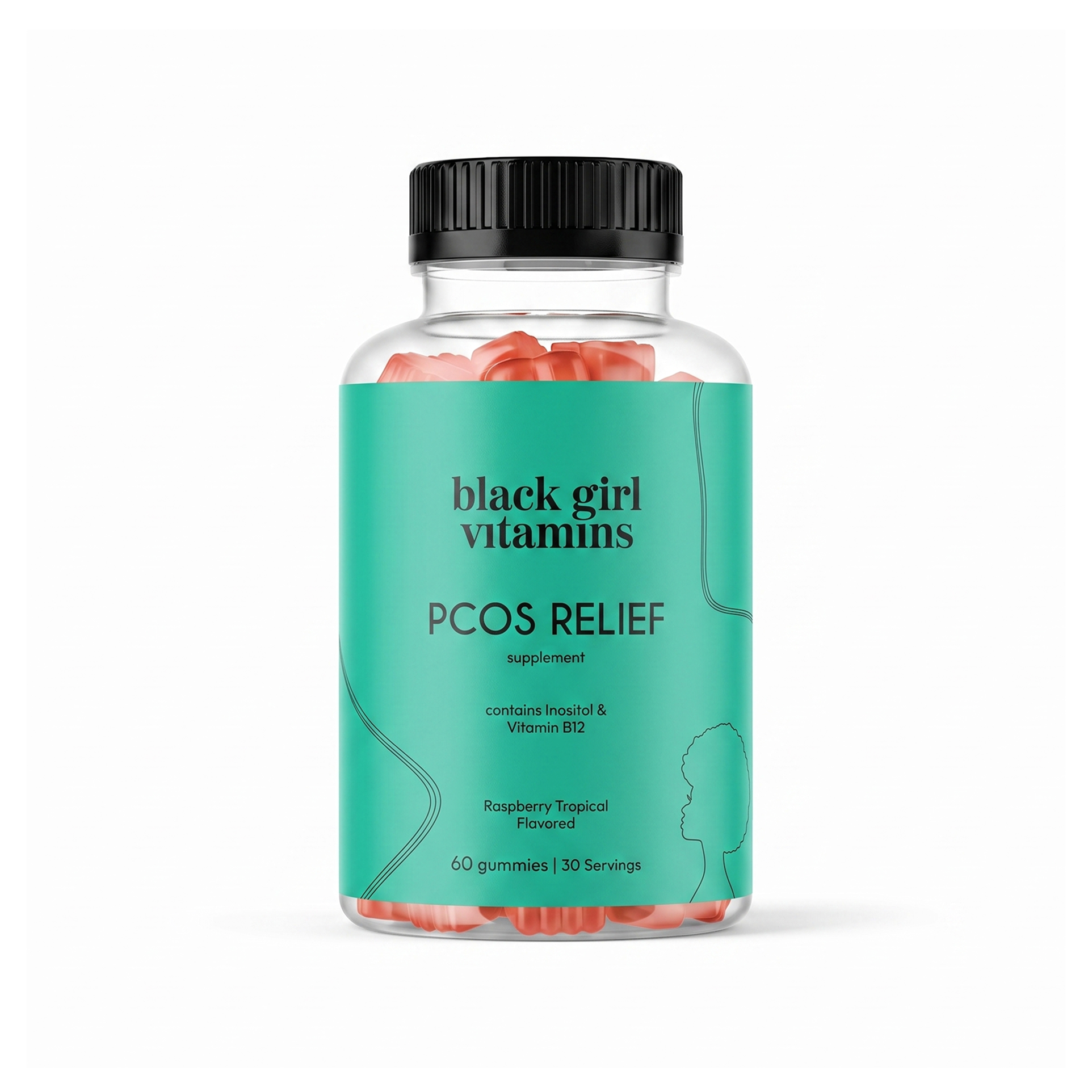
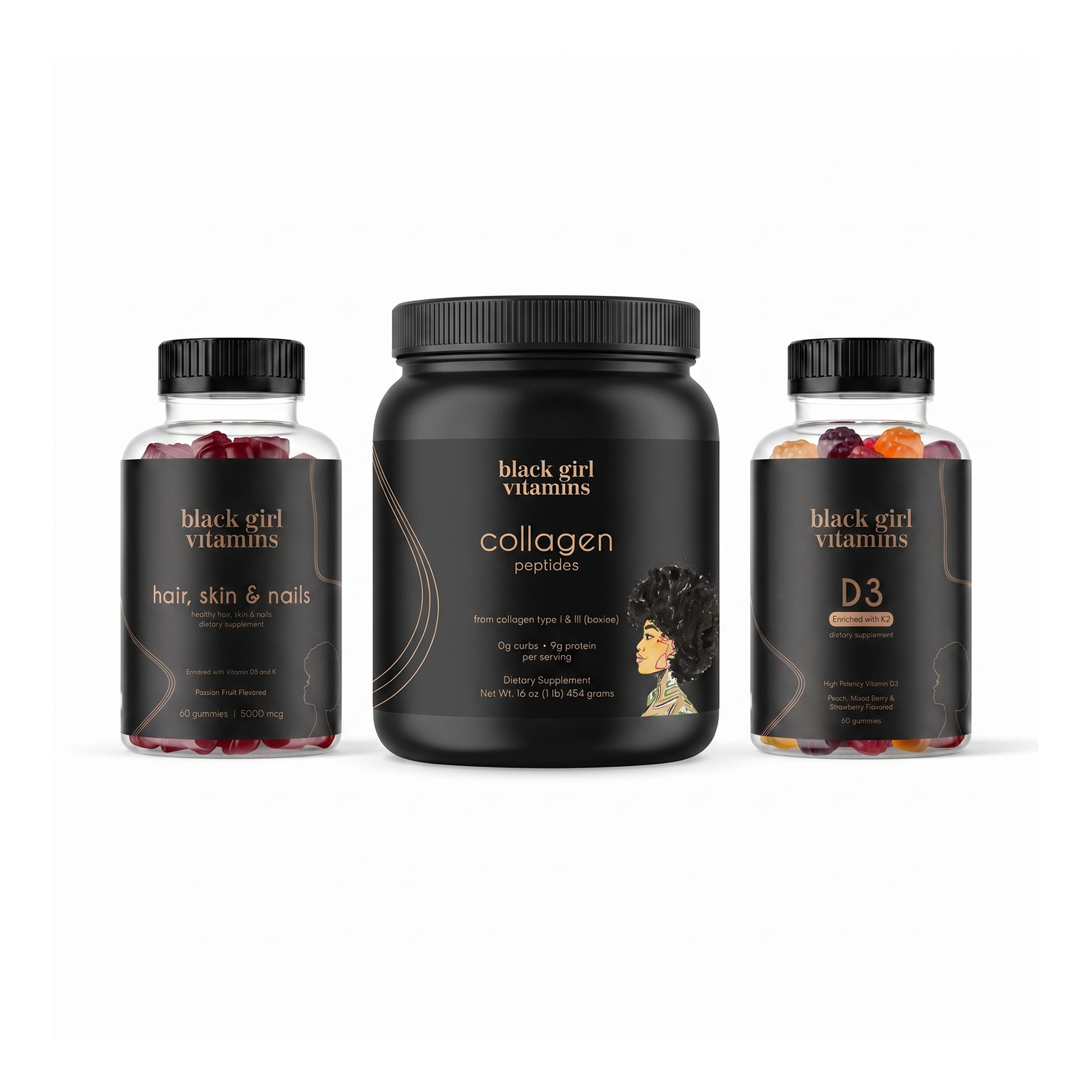
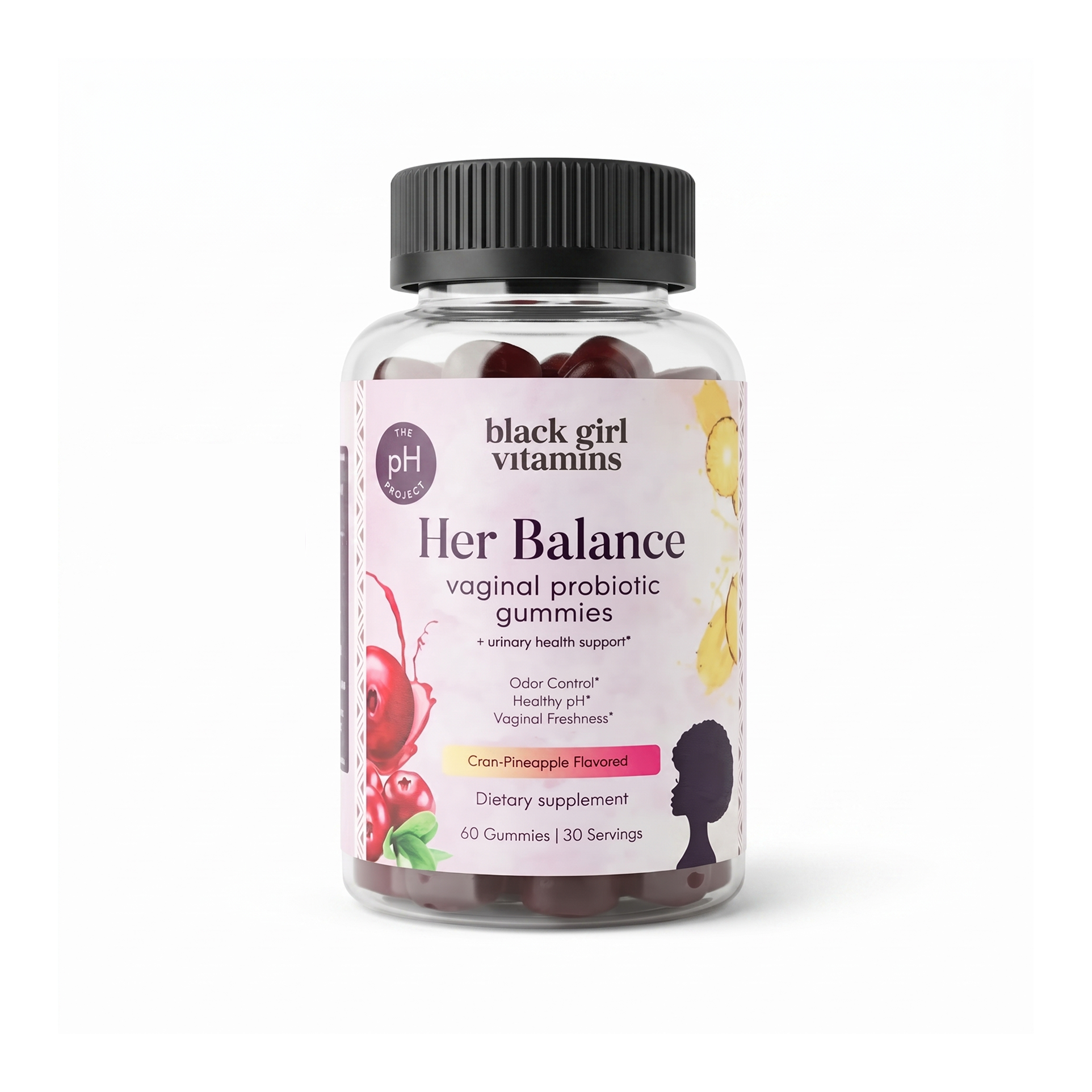
Black Girl Vitamins’ Fiber Gummies are designed to support your digestive system, reduce bloating, and help your body maintain natural elimination without powders or complicated routines.
-
Helps you feel lighter each morning
-
Supports smooth, regular digestion
-
Fills your daily fiber gap effortlessly
-
Won’t cause gas or cramping like harsher fibers
Tips for Adding Fiber Without Discomfort
Increasing fiber too quickly can cause bloating or gas. Try these tips to keep things smooth:
-
Increase gradually: Start slow and give your body time to adjust.
-
Drink plenty of water: Fiber works best when it has fluids to move it along.
-
Mix soluble and insoluble fiber: A variety of fiber sources helps balance digestion.
-
Listen to your body: Everyone’s gut is different, so adjust based on how you feel.
The Takeaway
Fiber is one of the simplest, most effective ways to support digestion, maintain energy, and promote overall wellness. From beans and fruits to whole grains and seeds, everyday foods can give your body the support it needs.
And for those times when you need a little extra help, BGV Fiber Gummies provide gentle, convenient support to keep your gut happy and your body thriving.